
WSL 2022: Pay only half the story as women’s game looks to progress
There was lots of praise last week for the footballers taking part in International Women’s Day either in front of the camera or behind it. The problem is that, largely, nothing really changes.
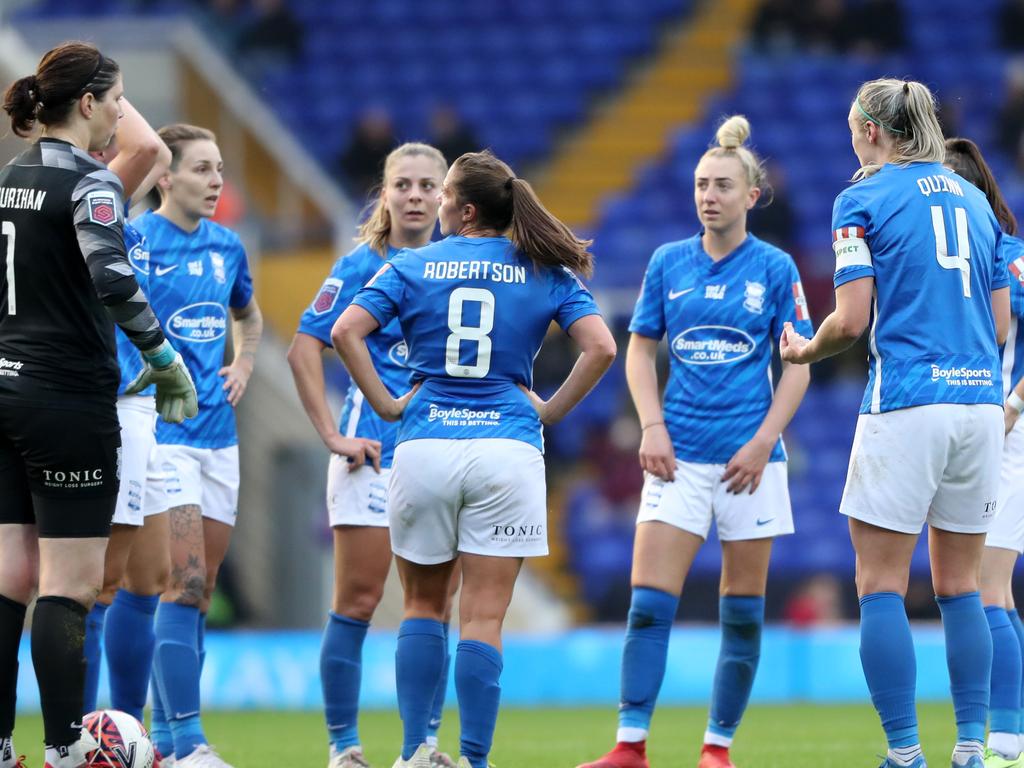
There was lots of praise last week for the footballers taking part in International Women’s Day either in front of the camera or behind it, with Manchester United making the grand gesture of changing their Twitter bio to “Change. The. Game.”
The problem is that, largely, nothing really changes. Football still wears the unfortunate crown of harbouring the most vehement sexism in sport, with those views affecting female match officials, fans, broadcasters and players.
As part of International Women’s Day, the women behind the Twitter account “Gender Pay Gap Bot” spent the day highlighting the disparity in wages between men and women at several organisations. It went viral.
When it comes to a gulf in earnings between the sexes, few professions can even come close to football. There are a plethora of reasons for that, many of which are perfectly understandable — revenue, attendances and even the quality of product, although it is rapidly improving in the women’s game.
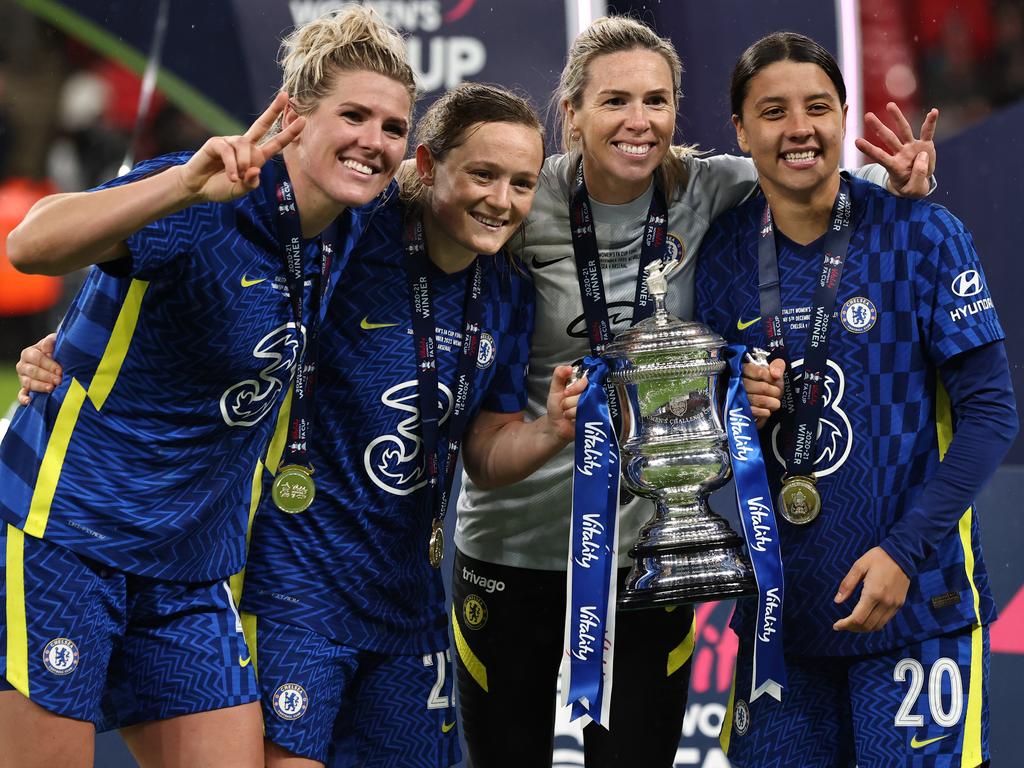
While belated steps are being taken to close the gap, such as the women’s FA Cup prize pot increasing almost tenfold, many inequalities remain, but pay is only half the story.
In the Women’s Super League (WSL), Birmingham City look almost certain to go down. This is largely down to the club not only paying their women players wages as little as £20,000 a year but providing them with facilities so bad the squad wrote an open letter of complaint.
Birmingham are stalwarts of women’s football and have developed many great talents, including Karen Carney, but their lack of support is a cloud that hangs over every WSL season. It is no wonder that Carla Ward decided to cut her losses and take charge of Aston Villa.
The FA has made it clear that the WSL must become a fully professional division. It is a step that has been welcomed, but wages and especially facilities must be professional in name and nature to ensure that there is no repeat of the Birmingham situation. If the product is deemed a high enough standard to be shown on Sky Sports and BBC and watched by millions, then the players should be financially rewarded by their clubs.
In the Championship, Liverpool are the favourites to be promoted but have found the second tier a very competitive division, with several clubs now operating full-time.
While the future of Birmingham looks uncertain, the potential arrival of Liverpool would not only help to meet the FA’s stated ambition of a financially secure top flight, it would represent a real step forward, financially and otherwise, for women footballers.
– The Times

The Tackle: Mata has last laugh over ‘embarrassing’ Wanderers

The Melbourne-born teen who has world football giants circling

Vergos ends drought with brace in original derby win

Victory ‘bleeds success’: This star knows that better than most

From Italy to Sydney: Logarzo makes last-ditch Matildas bid
