
NFL and NFLPA expect imminent changes to be made after Tua Tagovailoa concussion
Following two ugly incidents involving Tua Tagovailoa in the space of a week, the NFL is facing scathing criticism of the way it handles concussion. The league expects imminent changes to be made to its concussion policy.
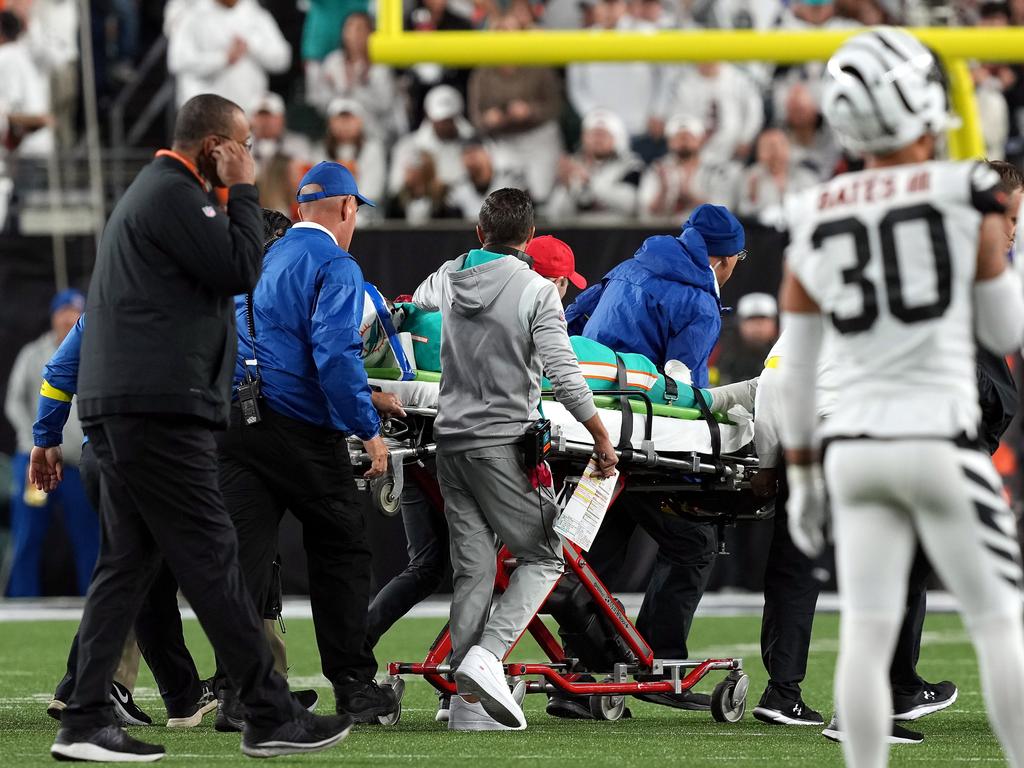
The NFL and the players’ union say they anticipate imminent changes to the sport’s concussion protocol after a pair of incidents involving violent hits to the head of Miami Dolphins quarterback Tua Tagovailoa reinvigorated concerns about head injuries in the game and how they are handled.
The NFL Players Association has also dismissed an independent doctor who was involved in evaluating Tagovailoa after he hit his head against the ground last Sunday and then allowed him to return to the field, according to a person familiar with the matter. The doctor’s identity is not known.
The league and NFLPA mutually appoint outside doctors, known as “unaffiliated neurotrauma consultants” to help produce an independent evaluation for players being evaluated for head injuries. The NFLPA has the right to terminate the neurology experts who serve in that role.
The NFL and NFLPA said in a joint statement Saturday that an investigation into the situation is ongoing and that they have not made any conclusions about medical errors or protocol violations. But they added that they anticipate changes to those protocols in the coming days based on the probe.
“The NFL and the NFLPA agree that modifications to the Concussion Protocol are needed to enhance player safety,” the parties said.
Our joint statement with the @NFL on the Tua Tagovailoa concussion investigation: pic.twitter.com/zXFmtKm4lV
— NFLPA (@NFLPA) October 1, 2022
The expected changes come days after Tagovailoa suffered a pair of violent hits to the head in less than a week, causing alarm and sparking criticism of how the incidents were handled.
Last Sunday, against the Buffalo Bills, Tagovailoa was hit and his head slammed into the ground. When he stood up afterwards, he appeared unstable and shaky. He left for a concussion evaluation and was subsequently allowed to return, with the team saying it was an injury to his back — not his head.
Tagovailoa, one of this season’s breakout stars, eventually led the Dolphins to an upset win in the game. Yet the situation created questions over whether his injury was evaluated properly, with the NFLPA quickly calling for an investigation.
Then four days later, the Dolphins played the Cincinnati Bengals on Thursday when his head suffered yet another blow. Near the end of the first half, he was sacked and thrown to the ground forcefully. He was stretchered off the field and taken to the hospital, which amplified the already existing criticism of how Tagovailoa was allowed to re-enter the prior game.
Miami coach Mike McDaniel said Friday that while he understood how the sequence looked, Tagovailoa didn’t suffer a head injury against the Bills. He reiterated that the first injury was to his back, while calling Tagovailoa’s injury versus the Bengals a concussion.

“I get the optics,” McDaniel said.
Tagovailoa was able to fly home with the team after the Bengals game, which the Dolphins lost. In a statement posted on Twitter on Friday, Tagovailoa thanked everyone for their support and said he was “feeling much better and focused on recovering.”
The NFL-NFLPA statement Saturday indicated that the changes to the protocols will involve language that refers to “gross motor instability” — something Tagovailoa appeared to demonstrate when he struggled to stand after the hit during the Buffalo game. According to the current policies, if the doctors determine the “instability to be neurologically caused” then the player may not return to the game.
Appreciate all the support! ðŸ™ðŸ¾ pic.twitter.com/jWBYyvbbwg
— Tua. T 🇦🇸 (@Tua) September 30, 2022
That left an apparent loophole allowing for a player to return if it is determined the instability wasn’t caused by neurological factors. Because Tagovailoa’s injury was said to involve his back, it paved the way for his quick return to the field.
When that was followed by Thursday’s subsequent incident, the backlash to that decision grew even louder. NFLPA president JC Tretter questioned how Tagovailoa was let back on the field the first time, writing in a statement that “what everyone saw both Sunday and [Thursday] night were ‘no go’ symptoms.”
“A failure in medical judgment is a failure of the protocols when it comes to the well being of our players,” Tretter added. “We have come a long way over the past 15 years but the last week proves how far we have left to go.”

Injury crisis forces NFL franchise to turn to 44-year old grandfather

Halftime rappers, nightclubs: How Aussie footy lags behind US

Mahomes rescue act saves Chiefs as Colts stumble

Sydney? Brisbane? NFL’s Aussie expansion could get even bigger

NFL star clinging to life after being shot
